If your feet feel damp after a long walk, the problem may not be your shoes alone. The real question is: what are moisture-wicking socks and how do they work? These socks use specially designed fibers to move sweat away from the skin. They do not simply absorb moisture and hold it there. Instead, their fabric spreads liquid across a wider surface, helping it evaporate more quickly.
Common materials include polyester, nylon, polypropylene, and selected blends. Some designs add merino wool for warmth, odor control, and temperature balance. In practice, the difference is easy to notice. After a morning run, quality socks may leave your heels feeling drier and reduce the sticky sensation between your toes. Small details matter. A snug arch band can limit bunching. Cushioned zones can soften repeated impact. Flat seams may reduce rubbing near the toes.
They are not magic.
Performance still depends on ventilation, shoe fit, activity level, and washing habits. A thick moisture-wicking sock inside a tight shoe may trap heat instead of releasing it. Fabric softener can also coat fibers and weaken their moisture movement. This is where personal experience becomes useful, but not perfect. One runner may prefer thin synthetic socks, while another may need merino wool during cold hikes. The following guide explains how these socks manage sweat, which materials perform best, and how to choose a pair for walking, training, travel, or everyday wear. It also examines common marketing claims carefully, because “dry” does not always mean comfortable.
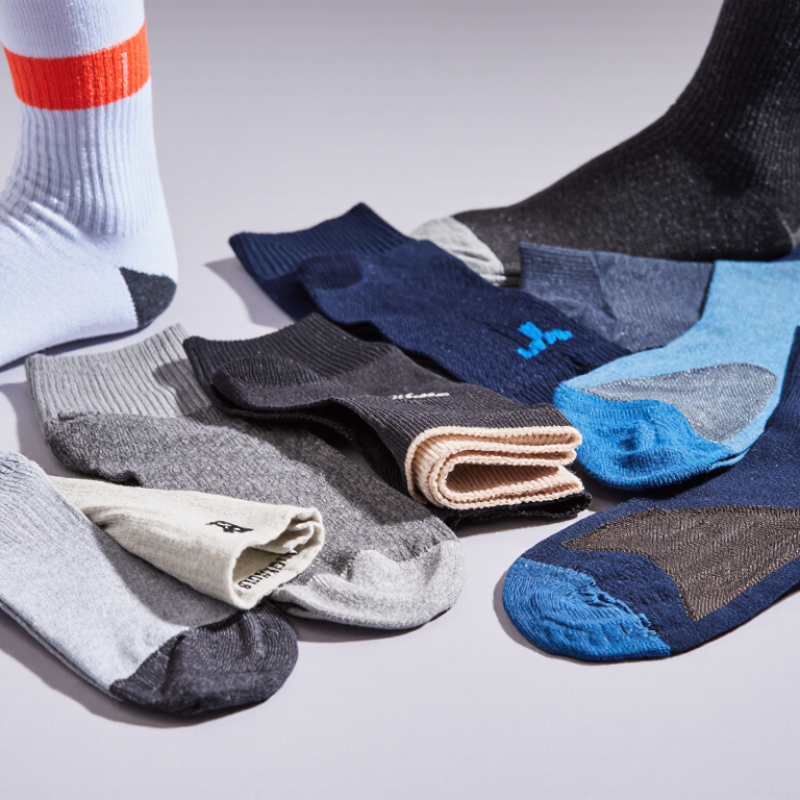
Moisture-wicking socks are designed to move sweat away from the skin. Their main purpose is to keep feet drier during walking, training, or long work shifts. The fabric absorbs small amounts of moisture, spreads it across the surface, and supports faster evaporation. This can reduce the damp feeling inside a shoe. It may also help limit friction, although sock fit and footwear remain equally important.
AATCC TM195 evaluates wetting time, absorption rate, spreading speed, and one-way transport. These measurements offer a more reliable view than a simple “dry” label. The Textile Exchange Materials Market Report 2024 recorded about 124 million tonnes of global fiber production in 2023. Polyester represented roughly 57 percent. This helps explain its common use in performance socks. Still, fiber content alone does not guarantee comfort. Knit structure, thickness, ventilation, and skin sensitivity can change the result. The label is not magic.
Tips: Choose a close, smooth fit without tight bands. For sweaty feet, test socks with mesh zones and a dry pair during longer activities. Wash them fully after use. Residual oils can reduce moisture movement. In practice, results vary. That is worth remembering. A sock that works during a short walk may feel damp after eight hours. Check your feet, not only the product description.
Moisture-wicking socks use fibers that move sweat away from the skin. Their materials matter more than a simple “dry” label. Polyester is common because its fibers absorb little water and dry quickly. During a long walk, this can reduce the damp feeling around the toes. Nylon adds strength and helps the fabric resist holes near the heel.
Polypropylene can move moisture efficiently because it has very low water absorption. However, it may feel less soft against sensitive skin. Merino wool works differently. Its fine fibers can absorb vapor while helping regulate temperature in changing weather. It may feel warm during a cool morning and less clammy during activity. Still, wool can dry more slowly after heavy soaking.
Many socks combine these fibers with elastane for stretch and recovery. A close fit prevents loose fabric from rubbing, while mesh panels improve airflow across the top of the foot. In my experience, material alone does not solve every problem. A poorly fitted sock can still create blisters, even when the fabric dries quickly. Seam placement, cushioning, and washing habits also affect performance. Hot water and fabric softener may weaken stretch or reduce moisture movement over time. The best choice depends on activity, climate, and personal sensitivity. Test them on a short outing first.
What Are Moisture-Wicking Socks and How Do They Work?
Moisture-wicking socks manage sweat by moving liquid away from your skin. Their fibers use tiny spaces to pull moisture through the fabric. This movement relies on capillary action, similar to water rising through a paper towel. Sweat spreads across a larger surface, where air can help it evaporate. The process is continuous, not instant.
The yarn matters. Polyester, nylon, and polypropylene usually move moisture efficiently because they absorb less water. Wool can absorb vapor while still feeling relatively dry, though performance depends on its construction. A close but comfortable fit also helps. Loose fabric may bunch, while overly tight socks can restrict airflow. Ventilated sections around the top or foot may improve heat release.
I once assumed moisture-wicking socks would keep every foot completely dry. That assumption was too simple. During a long hike, my socks moved sweat well, but humid air slowed evaporation. My shoes also trapped warmth. The fabric felt less effective after several hours. This shows an important limitation: wicking moves moisture, but it cannot remove water without airflow. Clean, dry socks, breathable footwear, and regular changes still matter. Even the best fabric needs a workable environment.
How Moisture-Wicking Technology Moves and Manages Sweat
| Dimension | What It Means | How It Works in Socks | Practical Effect |
|---|---|---|---|
| Moisture-wicking definition | Sweat management through the movement of liquid moisture away from the skin. | Yarn surfaces and fabric channels draw liquid sweat into the sock structure, where it can spread and evaporate. | Helps keep the skin feeling drier than a fabric that simply absorbs moisture in one place. |
| Capillary action | The movement of liquid through narrow spaces without requiring a pump. | Small gaps between fibers pull sweat from the foot toward the outer surface. Finer fibers and carefully designed channels can increase spreading. | Distributes moisture over a larger area, allowing faster evaporation when air can reach the fabric. |
| Fiber composition | The type of fiber affects liquid absorption, drying behavior, comfort, and durability. | Common moisture-managing fibers include polyester, nylon, polypropylene, and wool. Blends are often used to balance drying speed, softness, warmth, and strength. | No single fiber is best for every activity or climate; fabric construction is as important as fiber type. |
| Approximate moisture regain | Moisture regain is the amount of water a dry fiber absorbs from humid air, expressed as a percentage of dry fiber weight. | Typical values at standard textile-test conditions are approximately: polyester 0.4%, polypropylene below 0.1%, nylon about 4%, cotton about 7–8%, and wool about 13–18%. | Lower-regain synthetics generally dry quickly, while wool can hold more moisture vapor while still feeling comparatively comfortable. |
| Absorption versus wicking | Absorption stores moisture inside a fiber; wicking moves liquid across or along the fabric. | A sock may use absorbent fibers for buffering and hydrophobic fibers for rapid transport and drying. | A highly absorbent sock is not automatically a fast-drying sock. |
| Drying speed | The rate at which moisture leaves the sock through evaporation. | Drying depends on fiber type, fabric thickness, surface area, ventilation, temperature, humidity, airflow, and how wet the sock is. | Thin, well-ventilated constructions usually dry faster than thick, dense constructions under the same conditions. |
| Fabric construction | The arrangement of yarns, loops, layers, and ventilation zones. | Mesh panels, open-knit zones, differential yarns, and channel-like structures increase air exchange and help move moisture away from high-sweat areas. | Construction can improve breathability and drying without changing the primary fiber content. |
| Foot-contact comfort | The ability of the sock to reduce prolonged wetness, friction, and temperature discomfort. | Moisture control works together with a smooth fit, cushioning, flat seams, and appropriate compression or support. | Better moisture management may reduce the clammy feeling associated with prolonged activity, but it cannot eliminate friction caused by poor fit. |
| Temperature management | How the sock helps regulate heat and moisture around the foot. | Evaporation removes heat from the skin, while wool and thicker constructions can provide insulation in cooler conditions. | Lightweight breathable socks often suit warm activity; thicker wool-blend socks may suit cool environments. |
| Best-use conditions | The environments in which moisture-wicking features are most useful. | They are particularly useful during running, hiking, cycling, training, work requiring long hours on the feet, and humid or warm-weather activity. | The benefit is greatest when the footwear also allows adequate ventilation and fit. |
| Common limitations | Factors that can reduce moisture-wicking performance. | Excessive thickness, clogged fabric, saturated fibers, tight footwear, high humidity, and insufficient airflow can slow evaporation. | Moisture-wicking socks move and spread sweat; they do not create moisture removal when the surrounding environment prevents evaporation. |
| Care considerations | Washing and drying practices that help preserve fabric performance. | Follow the care label, avoid residue-heavy products that can coat fibers, and dry the socks thoroughly before wearing them again. | Clean, fully dried socks generally provide more consistent comfort and odor control than damp or residue-coated socks. |
Note: Moisture-wicking performance depends on the interaction of fiber properties, yarn structure, fabric design, garment fit, footwear, activity level, temperature, humidity, and airflow. Moisture-regain figures are approximate values that vary with test conditions and fiber treatment.
What Are Moisture Wicking Socks and How Do They Work?
Moisture wicking socks move sweat away from the skin. Their fibers pull liquid through tiny spaces, then spread it across the outer surface. This wider surface dries faster. Polyester, nylon, and merino wool can support this process, although their performance differs by weave and fit. Cotton often absorbs moisture without releasing it quickly, leaving damp fabric against the foot.
Comfort starts with drier skin.
Drier feet can feel cooler during commutes, workouts, and long shifts. Less trapped moisture may also reduce friction, which can help limit blisters. However, wicking socks do not prevent every foot problem. Poor shoe fit, excessive sweating, or repeated pressure still matter. The American Podiatric Medical Association reports that 77% of adults have experienced foot pain, showing how common daily discomfort can be. Socks are only one part of foot care.
Foot health deserves attention.
The CDC’s National Diabetes Statistics Report estimates that 38.4 million Americans had diabetes in 2021. For people with reduced sensation, checking dampness, redness, and pressure areas is especially important. A moisture-wicking design may improve comfort, but it cannot replace medical guidance or regular inspections. During hiking or running, choose a secure fit without tight bands. Change wet socks when possible. Small details matter, and I still think many people overlook them. Test the fabric during a normal day before trusting it for demanding activity.
Moisture-wicking socks move sweat away from your skin, helping feet feel drier during work, exercise, or long walks.
Their fibers spread moisture across the fabric surface, where it can evaporate more quickly. Some socks also use mesh zones for airflow and cushioned areas to reduce pressure. Still, no sock prevents sweating completely. I learned that after wearing thick socks on a humid hike.
Choosing the right pair depends on activity, fit, and fabric. Look for a close but comfortable fit, with no loose folds around the heel or toes.
Merino wool can manage moisture and temperature changes, while synthetic fibers often dry quickly. Cotton feels pleasant, but it may hold dampness against the skin. A flat toe seam can reduce rubbing, especially during long-distance activities. Check the elastic, too. Tight cuffs can leave marks and cause discomfort.
Tips: Wash socks according to their care label, preferably after every heavy use. Turn them inside out before washing, and avoid excessive heat, which can weaken elastic fibers. Air-dry them fully before wearing. Do not store damp socks in a closed gym bag. Inspect worn heels and thin areas regularly. Replacing socks earlier may feel wasteful, but damaged fabric can create friction and blisters.
They move sweat away from your skin. Moisture spreads across the fabric and evaporates more easily.
No. They manage moisture, but they cannot stop sweating. Humid air and warm shoes can still trap dampness.
Tiny spaces in the fibers pull liquid outward through capillary action. It works like water rising through a paper towel.
Polyester, nylon, and polypropylene usually dry quickly. Wool can manage vapor and temperature, depending on its construction.
No. Fit, thickness, knit structure, ventilation, and skin sensitivity also matter. The label is not magic.
Choose a close, smooth fit without tight bands. Loose fabric may bunch around your toes or heel.
They may reduce damp friction, but fit and footwear remain important. A flat toe seam can help during long walks.
Wash them after heavy use and follow the care label. Turn them inside out, avoid excessive heat, and air-dry fully.
Carry a dry replacement pair. Mesh zones may improve airflow, but changing socks can still make the biggest difference.
Replace pairs with worn heels, thin areas, or rough seams. Damaged fabric can increase friction, though early replacement may feel wasteful.
What are moisture-wicking socks and how do they work? They are specially designed socks that help move perspiration away from the skin, keeping feet drier and more comfortable. Instead of holding moisture against the foot, their fibers draw sweat outward and allow it to spread across the fabric surface, where it can evaporate more easily. Common materials include synthetic fibers, wool blends, and other breathable fabrics selected for their ability to manage moisture, regulate temperature, and maintain shape.
Moisture-wicking socks can help reduce dampness, friction, odor, and discomfort during exercise, work, travel, or everyday activities. They may also support better foot hygiene by creating a less favorable environment for irritation. When choosing a pair, consider fit, cushioning, breathability, seam placement, activity level, and the climate in which they will be worn. To maintain performance, wash them according to their care instructions, avoid excessive heat when drying, and replace them when the fabric becomes thin, stretched, or less effective at managing moisture.

Traura Sports